Teachers give us homework, pop quizzes, long lectures, and plenty of moments that are perfect for a little harmless humor. A funny roast can make the classroom laugh—but the best ones are lighthearted, clever, and respectful, rather than genuinely insulting.
Whether you’re looking for a witty classroom comeback, a funny response when your teacher assigns more homework, or a playful roast for a teacher who loves giving surprise tests, the ideas below are designed to keep things funny without crossing the line.
• “Is This Class or a Full-Time Job?”
Best for: When your teacher assigns a mountain of homework.
Alternative: “Should I clock in before I start this assignment?”
Examples:
“Is this class or a full-time job?”
“At this point, should I start asking for a salary?”
It’s a playful way to complain about a heavy workload without directly insulting your teacher.
• “You Really Love Homework, Don’t You?”
Best for: Teachers who regularly assign homework.
Alternative: “I think homework might be your favorite subject.”
Examples:
“You really love homework, don’t you?”
“I’m starting to think you have a personal relationship with homework.”
This roast works because it exaggerates your teacher’s enthusiasm for assignments.
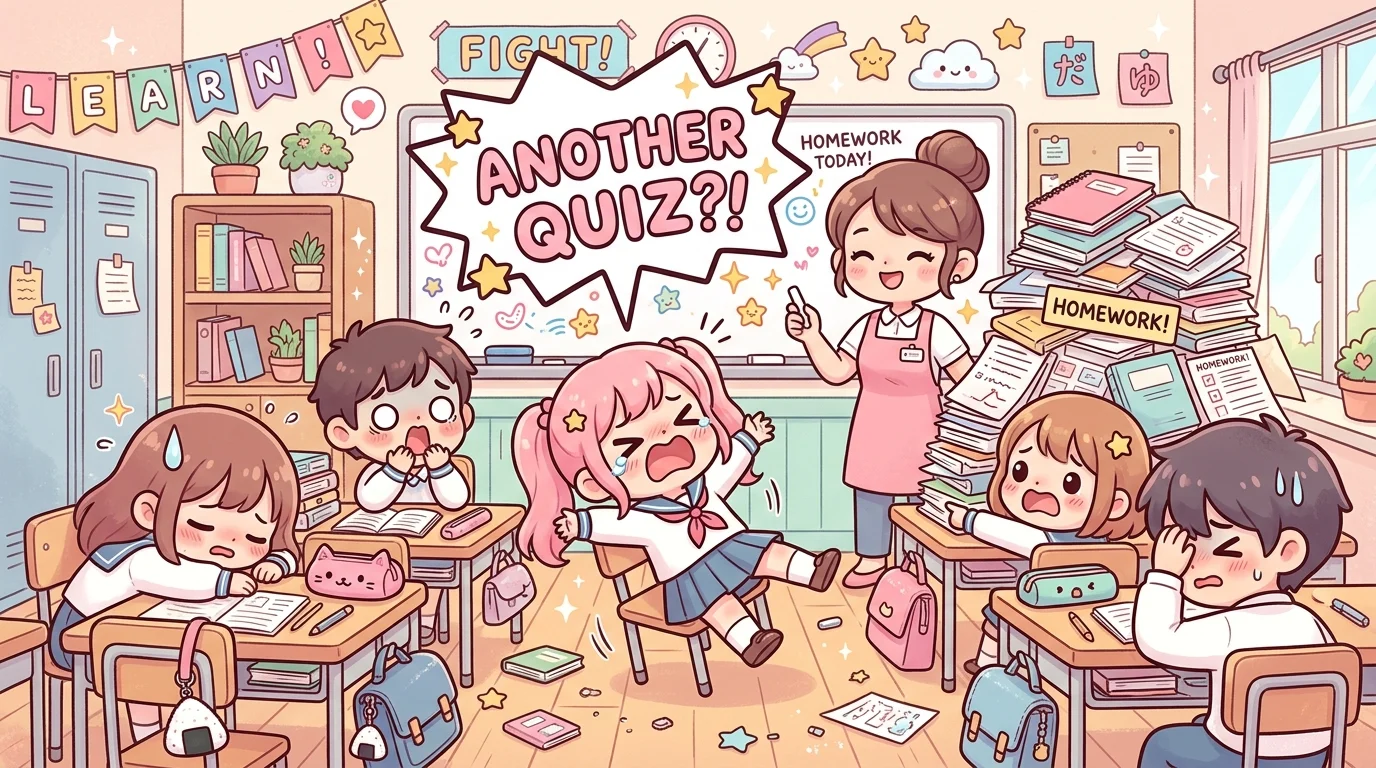
• “Another Quiz? You’re Too Powerful.”
Best for: Surprise quizzes.
Alternative: “Who gave you permission to do this?”
Examples:
“Another quiz? You’re too powerful.”
“Not another quiz! Your power must be stopped.”
The dramatic delivery makes this much funnier than a serious complaint.
• “You Said It Would Be Easy…”
Best for: When an assignment turns out to be difficult.
Alternative: “Your definition of easy is concerning.”
Examples:
“You said it would be easy. I trusted you.”
“When you said ‘easy,’ I clearly misunderstood the word.”
This is a relatable classroom roast that focuses on the situation rather than the teacher personally.
• “My Brain Has Left the Classroom”
Best for: Difficult lessons.
Alternative: “My last brain cell just requested a transfer.”
Examples:
“My brain has officially left the classroom.”
“My last brain cell just gave up.”
It’s dramatic, silly, and perfect for a difficult topic.
• “I’m Starting to Think You Enjoy This”
Best for: Repeated tests, homework, or challenging assignments.
Alternative: “You look way too happy about this assignment.”
Examples:
“I’m starting to think you actually enjoy giving us homework.”
“You’re smiling way too much for someone who just assigned this.”
This works especially well when your teacher looks suspiciously pleased after announcing an assignment.
• “That Was a Plot Twist”
Best for: Unexpected questions or tests.
Alternative: “I was not emotionally prepared for that.”
Examples:
“That question was a serious plot twist.”
“I came here for a lesson and got a surprise ending.”
It turns an ordinary classroom moment into a funny story.
• “My Grades Need a Miracle”
Best for: Lighthearted conversations about school performance.
Alternative: “At this point, I’m negotiating with the grading system.”
Examples:
“My grades need a miracle.”
“I’m currently accepting academic blessings.”
This one is best when you’re joking about your own performance rather than blaming your teacher.
• “You Have Too Much Faith in Us”
Best for: A surprisingly difficult assignment.
Alternative: “Your confidence in our abilities is honestly inspiring.”
Examples:
“You have way too much faith in us.”
“You really looked at this class and thought, ‘They can handle it.’”
The joke comes from pretending your teacher is wildly optimistic.
• “That Homework Has Main Character Energy”
Best for: A giant or complicated assignment.
Alternative: “This homework thinks it’s the final boss.”
Examples:
“That homework has serious main-character energy.”
“This assignment is giving final-boss vibes.”
Modern slang makes these roasts especially fun among friends.
• “You Really Said ‘No Weekend’”
Best for: Homework assigned before the weekend.
Alternative: “So we’re just not allowed to relax?”
Examples:
“You really said ‘no weekend’ and assigned all this.”
“My weekend just got canceled by one worksheet.”
A funny way to express disappointment without being disrespectful.
• “The Bell Is My Favorite Part of Class”
Best for: Playful classroom banter.
Alternative: “The bell really understands me.”
Examples:
“I think the bell is my favorite part of class.”
“Honestly, the bell and I have a very strong relationship.”
This is a classic joke that works best when delivered with a smile.
• “I Think the Bell Just Saved Me”
Best for: When class ends during a difficult activity.
Alternative: “Perfect timing, bell.”
Examples:
“The bell just saved my entire academic career.”
“Thank you, bell. You came through.”
The joke is directed at the situation rather than the teacher.
• “You’re Making Us Think Too Much”
Best for: Challenging lessons.
Alternative: “Can we give our brains a vacation?”
Examples:
“You’re making us think way too much today.”
“My brain has filed a complaint about this lesson.”
It keeps the tone silly and relatable.
• “That Question Was Personal”
Best for: Difficult questions or questions you don’t know.
Alternative: “Why would you attack me like that?”
Examples:
“That question was personal.”
“Why did that question feel like a personal attack?”
This is a funny exaggeration that works particularly well in casual classroom banter.
• “I Know the Answer… Emotionally”
Best for: When you don’t know the actual answer.
Alternative: “I understand the question spiritually.”
Examples:
“I know the answer… emotionally.”
“I understand the concept spiritually, just not academically.”
It’s a clever way to admit you’re confused without making the moment awkward.
• “My Answer Was Creative”
Best for: When you get an answer wrong.
Alternative: “It wasn’t wrong. It was an alternative interpretation.”
Examples:
“My answer was creative, at least.”
“I wasn’t wrong; I was exploring another possibility.”
This is a playful way to laugh at your own mistake.
• “I Was Testing You”
Best for: When your teacher corrects you.
Alternative: “I just wanted to make sure you were paying attention.”
Examples:
“I was testing you.”
“Exactly what I wanted you to say.”
It’s an intentionally ridiculous excuse that can get a laugh when used at the right moment.
• “I’m Learning at My Own Speed”
Best for: When everyone else seems to understand something faster.
Alternative: “My brain has its own schedule.”
Examples:
“I’m learning at my own speed. Unfortunately, my speed is currently zero.”
“My brain is processing. Please hold.”
This is self-deprecating rather than insulting, which keeps it classroom-friendly.
• “Can We Put That on the Final?”
Best for: When your teacher asks a difficult question.
Alternative: “I’ll remember it if it’s worth points.”
Examples:
“Can we put that on the final?”
“Is this going to be on the test, or can my brain forget it?”
This is a classic student-style comeback.
• “You Said This Was a Quick Lesson”
Best for: When class runs long.
Alternative: “Quick according to whose clock?”
Examples:
“You said this would be quick. That was several centuries ago.”
“Quick lesson? My calendar disagrees.”
A little exaggeration makes this roast more playful.
• “I Think We’ve Learned Enough for One Day”
Best for: When you’re ready for class to end.
Alternative: “My brain has reached its daily limit.”
Examples:
“I think we’ve learned enough for one day.”
“My brain has officially reached maximum capacity.”
This is especially funny when the whole class is tired.
• “My Brain Is Buffering”
Best for: Confusing explanations.
Alternative: “Please wait while my brain loads.”
Examples:
“My brain is buffering right now.”
“Give me a second—my brain is still loading.”
It’s a modern, relatable way to say you’re confused.
• “That Explanation Needs a Sequel”
Best for: When an explanation leaves you confused.
Alternative: “I understood the beginning. Then things happened.”
Examples:
“That explanation needs a sequel.”
“I understood about 40% of that, so I’m going to need the extended edition.”
The humor comes from treating a lesson like a movie.
• “Can We Get the Student-Friendly Version?”
Best for: Complicated explanations.
Alternative: “Could you translate that into human?”
Examples:
“Can we get the student-friendly version?”
“Could you explain that in a language my brain understands?”
This is a playful way to ask for clarification.
• “You’re Making This Look Too Easy”
Best for: When your teacher solves something quickly.
Alternative: “Okay, but try doing it with student brain.”
Examples:
“You make that look way too easy.”
“Of course it looks easy when you already know how to do it.”
This is more teasing than insulting and can be a fun way to acknowledge your teacher’s expertise.
• “Respectfully, My Brain Disagrees”
Best for: Friendly disagreement.
Alternative: “With all due respect, my last brain cell has objections.”
Examples:
“Respectfully, my brain disagrees.”
“With all due respect, my brain has filed an objection.”
The word “respectfully” makes the joke intentionally dramatic.
• “I’d Like to Appeal This Homework”
Best for: A particularly large assignment.
Alternative: “Can I speak to the homework manager?”
Examples:
“I’d like to appeal this homework.”
“Is there a customer service number for this assignment?”
This turns homework into a mock bureaucratic problem.
• “That Assignment Has Trust Issues”
Best for: Confusing or complicated worksheets.
Alternative: “This worksheet doesn’t want me to succeed.”
Examples:
“That assignment has trust issues.”
“This worksheet and I are currently not on speaking terms.”
It’s a funny way to complain about the assignment rather than personally attacking the teacher.
• “You’re Really Keeping Us Humble”
Best for: Tough tests or difficult grades.
Alternative: “Thank you for keeping our confidence realistic.”
Examples:
“You’re really keeping us humble with these questions.”
“Nothing like a difficult test to keep us grounded.”
This works particularly well after a challenging exam.
• “I’m Going to Pretend I Didn’t Hear That”
Best for: Unexpected homework announcements.
Alternative: “Interesting. Anyway…”
Examples:
“I’m going to pretend I didn’t hear the word ‘homework.’”
“Interesting… I suddenly can’t hear anything.”
It’s a harmless dramatic reaction rather than a genuine insult.
• “You’re Lucky We Like You”
Best for: Close classroom relationships.
Alternative: “Good thing you’re funny.”
Examples:
“You’re lucky we like you after assigning this much homework.”
“You’re lucky we respect you, because this assignment is wild.”
Use this only when you already have a friendly relationship with the teacher.
• “Okay, Professor, We Get It”
Best for: Playful teasing when a teacher is explaining something they know extremely well.
Alternative: “Save some knowledge for the rest of us.”
Examples:
“Okay, Professor, we get it—you’re smart.”
“Save some knowledge for tomorrow!”
This is best delivered playfully so it sounds like admiration rather than disrespect.
• “That’s Going in My Academic Trauma Collection”
Best for: A particularly difficult test or assignment.
Alternative: “I’m adding this to my list of educational battles.”
Examples:
“That test is going straight into my academic trauma collection.”
“I’ll remember this assignment for the rest of my academic career.”
This exaggerates the difficulty for comedic effect.
• “I Survived the Lesson”
Best for: After a challenging class.
Alternative: “Another lesson survived. Barely.”
Examples:
“I survived the lesson!”
“Another class completed. My brain needs a vacation.”
A dramatic ending can make an ordinary classroom moment funny.
• “Respectfully, I’m Going to Need a Snack”
Best for: Long classes.
Alternative: “My brain requires emergency fuel.”
Examples:
“Respectfully, I’m going to need a snack after that.”
“My brain has requested immediate snacks.”
It turns tiredness into a harmless joke.
• “Can My Grade Get a Participation Trophy?”
Best for: When joking about a difficult grade.
Alternative: “I’d like to nominate my effort for an award.”
Examples:
“Can my grade at least get a participation trophy?”
“Where do I submit my nomination for ‘tried my best’?”
This works best when you’re laughing at your own academic struggles.
• “I’m Not Saying It’s Your Fault…”
Best for: Playful teasing after a difficult assignment.
Alternative: “I’m just saying the evidence is suspicious.”
Examples:
“I’m not saying it’s your fault, but my brain has questions.”
“I’m not blaming anyone, but this worksheet looks suspicious.”
The exaggerated setup makes the punchline more playful.
• “Teacher, You’re Doing Too Much”
Best for: An especially difficult lesson or assignment.
Alternative: “Respectfully, that’s enough education for today.”
Examples:
“Teacher, you’re doing too much today.”
“Respectfully, we’ve reached our educational limit.”
Keep this one playful and avoid using it in a genuinely disrespectful tone.
• How to Make a Teacher Roast Funny Without Being Mean
Best for: Classroom banter and friendly teachers.
Alternative: Roast the situation, not the teacher’s appearance, personality, or personal life.
Examples:
“That’s a lot of homework for one tiny human.”
“This quiz has chosen violence today.”
The funniest classroom roasts are usually self-aware and situational. Joking about homework, quizzes, long lessons, or your own confused brain is much safer than making personal comments about a teacher.
Frequently Asked Questions
What are some funny roasts to say to your teacher?
Try playful lines such as “My brain has officially left the classroom,” “You really love homework, don’t you?”, or “That question was personal.” The best classroom roasts are lighthearted rather than genuinely insulting.
Is it okay to roast your teacher?
It depends on the teacher and the classroom environment. If your teacher enjoys jokes and you have a friendly relationship, gentle teasing can be funny. Avoid comments about appearance, personal life, sensitive subjects, or anything designed to embarrass them.
What is a funny response when a teacher gives homework?
You could say, “Is this class or a full-time job?”, “I’d like to appeal this homework,” or “You really said ‘no weekend.’” These focus on the workload rather than personally attacking the teacher.
What is a funny thing to say when a teacher gives a surprise quiz?
Try “Another quiz? You’re too powerful,” “That was a plot twist,” or “I was emotionally prepared for everything except this.”
How can I roast my teacher without being disrespectful?
Keep the joke short, playful, and situation-based. Roast the homework, quiz, lesson, or your own reaction instead of insulting your teacher personally. If they don’t seem amused, drop the joke and move on.
Conclusion
The best funny roasts to say to your teacher are the ones that make everyone laugh without making anyone uncomfortable. A clever joke about homework, surprise quizzes, difficult lessons, or your own confused brain can create a fun classroom moment while keeping things respectful.
Remember, delivery matters just as much as the words. A playful tone and a smile can make a harmless joke obvious, while a personal or overly harsh comment can quickly cross the line.
So keep your roasts clever, light, and classroom-friendly. Sometimes the funniest comeback isn’t the meanest one—it’s the one that makes your teacher laugh too. 😄

I am Shane Thomas, a passionate writer focused on helpful replies and everyday conversations. I create simple, thoughtful, and engaging response ideas to help people communicate confidently.