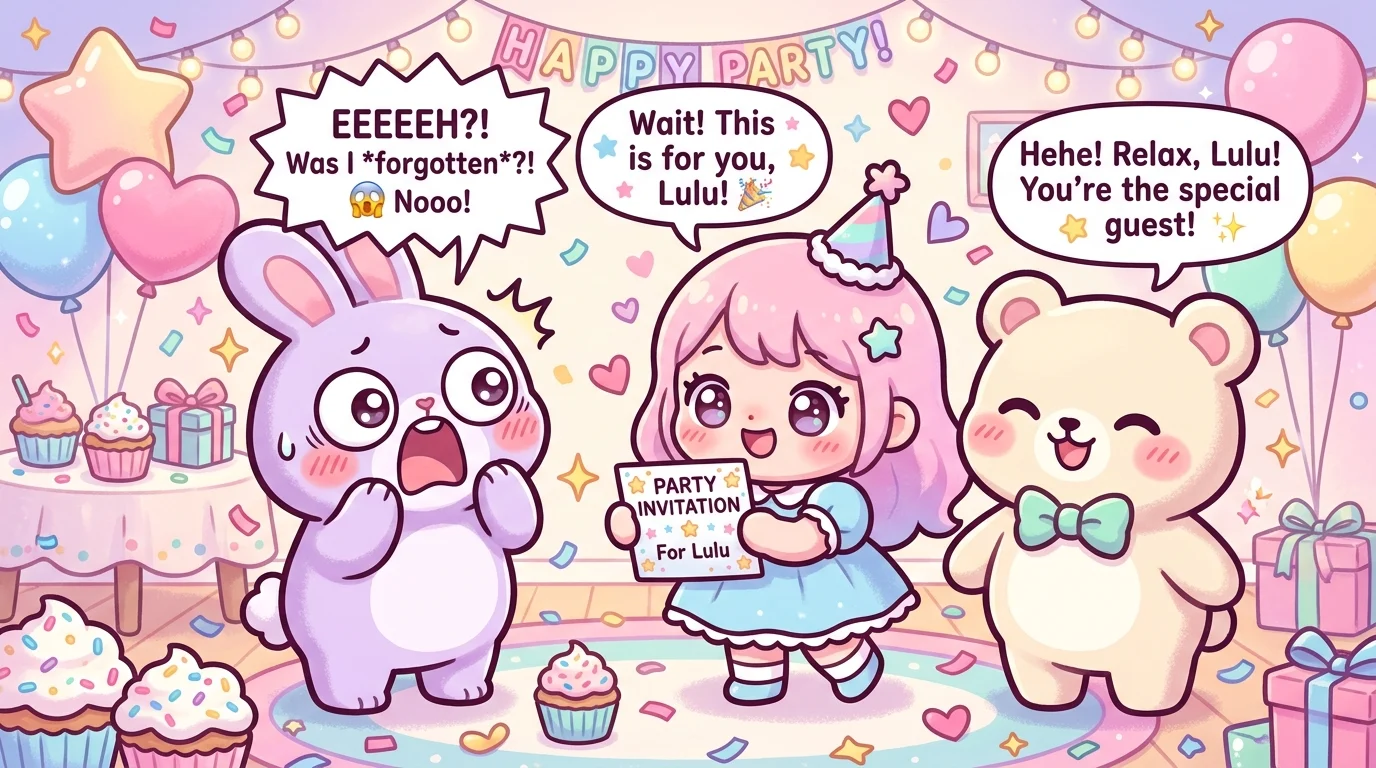
When someone says “TFTI,” they usually mean “Thanks for the Invite.” Depending on the situation, it can be a genuine thank-you or a sarcastic comment from someone who noticed they were left out. Understanding the tone can help you choose the right response.
Whether you’re replying to a friend, responding in a group chat, or looking for a witty comeback, there are plenty of ways to answer TFTI. From funny and sarcastic replies to polite and friendly responses, these ideas will help you keep the conversation natural and entertaining.
• “You’re Welcome”
Best for: Simple and friendly conversations.
Alternative: “Anytime.”
Examples:
“You’re welcome. Glad you could make it.”
“You’re welcome. It was great having you there.”
This is the easiest response when someone is genuinely thanking you for an invitation.
• “Wait, You Wanted an Invitation?”
Best for: Playful teasing.
Alternative: “Oh, you wanted to come?”
Examples:
“Wait, you wanted an invitation?”
“Oh, you actually wanted to be invited?”
This works especially well when a friend is joking about being left out.
• “You Were Invited in Spirit”
Best for: Silly and sarcastic conversations.
Alternative: “You were there in our thoughts.”
Examples:
“You were invited in spirit.”
“You were there spiritually, so it counts.”
It is a funny way to acknowledge the complaint without taking it too seriously.
• “My Bad, I Thought You Had Plans”
Best for: Lighthearted explanations.
Alternative: “I assumed you were busy.”
Examples:
“My bad, I thought you already had plans.”
“I honestly thought you were busy that day.”
This is a good option when you want to explain yourself without making the situation awkward.
• “The Invitation Got Lost in the Mail”
Best for: Classic sarcastic humor.
Alternative: “The messenger pigeon failed us.”
Examples:
“Sorry, the invitation got lost in the mail.”
“The messenger pigeon apparently never delivered it.”
This obviously ridiculous excuse can turn a potentially awkward moment into a joke.
• “Next Time, Maybe”
Best for: Short and cheeky replies.
Alternative: “Maybe you’ll make the list next time.”
Examples:
“Next time, maybe.”
“Maybe you’ll get lucky with the next invitation.”
Keep this one playful so it sounds like friendly teasing rather than genuine exclusion.
• “You’re on the Waiting List”
Best for: Funny group-chat banter.
Alternative: “Your application is still being reviewed.”
Examples:
“You’re currently number three on the waiting list.”
“Your invitation application is still under review.”
Turning an invitation into a fake bureaucratic process makes the response more amusing.
• “Please Allow 3–5 Business Days”
Best for: Dry humor.
Alternative: “Your invitation is still processing.”
Examples:
“Please allow 3–5 business days for your invitation.”
“Your request has been received and is currently processing.”
This is especially funny in text conversations because it sounds like an automated customer-service message.
• “We Ran Out of Invitations”
Best for: Absurd excuses.
Alternative: “The invitation budget was limited.”
Examples:
“Sorry, we ran out of invitations.”
“The invitation budget was unfortunately exhausted.”
The deliberately ridiculous explanation makes this a fun comeback for close friends.
• “You Can Host the Next One”
Best for: Turning the joke around.
Alternative: “Great, you’re hosting next time.”
Examples:
“You can host the next one, then.”
“Perfect. You’re officially responsible for the next event.”
This is a playful way to give the complaining friend some responsibility.
• “You Should’ve Invited Yourself”
Best for: Bold teasing.
Alternative: “You know where we were.”
Examples:
“You should’ve invited yourself.”
“You know the location. You could’ve shown up.”
Use this with people who are comfortable with sarcastic banter.
• “It Was an Exclusive Event”
Best for: Dramatic sarcasm.
Alternative: “Members only.”
Examples:
“Sorry, it was an exclusive event.”
“It was members only. Very strict rules.”
The exaggerated exclusivity makes an ordinary gathering sound hilariously important.
• “Top Secret”
Best for: Very short replies.
Alternative: “Classified information.”
Examples:
“Top secret.”
“Sorry, classified information.”
This is ideal when you want to give a quick, mysterious comeback.
• “The Guest List Had a Tragic Oversight”
Best for: Clever humor.
Alternative: “There was an unfortunate administrative error.”
Examples:
“The guest list had a tragic oversight.”
“There appears to have been an unfortunate administrative error.”
The overly formal language makes the situation sound much more serious than it really is.
• “We Thought You’d Say No”
Best for: Playful honesty.
Alternative: “I didn’t think you’d be interested.”
Examples:
“We thought you’d say no anyway.”
“I honestly didn’t think you’d want to come.”
This can work when the person is teasing you about not being invited.
• “I Didn’t Know You Wanted to Come”
Best for: Genuine or semi-serious situations.
Alternative: “You should have told me.”
Examples:
“I didn’t know you wanted to come.”
“You should’ve told me you wanted an invitation.”
This response can move the conversation from teasing toward making actual plans.
• “You Were Too Important to Bother”
Best for: Playful fake compliments.
Alternative: “We assumed you had better things to do.”
Examples:
“You were too important to bother.”
“We figured someone as important as you would already have plans.”
It turns the exclusion into an exaggerated compliment.
• “We Were Protecting You”
Best for: Dramatic humor.
Alternative: “It was for your own safety.”
Examples:
“Honestly, we were protecting you.”
“It was for your own safety. You’re welcome.”
The serious delivery makes the ridiculous excuse funnier.
• “You Would’ve Stolen the Spotlight”
Best for: Playful compliments.
Alternative: “We knew you’d outshine everyone.”
Examples:
“You would’ve stolen the spotlight.”
“We knew you’d outshine the rest of us.”
This is a nice way to turn a sarcastic exchange into a compliment.
• “Blame the Group Chat”
Best for: Group-chat humor.
Alternative: “The group chat betrayed you.”
Examples:
“Honestly, blame the group chat.”
“The group chat completely failed you this time.”
It works particularly well when the conversation is happening among several friends.
• “The Invitation Committee Said No”
Best for: Fake official humor.
Alternative: “I don’t make the rules.”
Examples:
“The invitation committee said no.”
“I tried, but the invitation committee rejected the application.”
It gives you an absurd excuse while keeping the tone playful.
• “Your Invitation Is Still Processing”
Best for: Dry and clever responses.
Alternative: “There has been a delay in processing.”
Examples:
“Your invitation is still processing.”
“There’s been a slight delay with your invitation request.”
This is perfect for someone who enjoys deadpan humor.
• “Fine, You’re Invited Next Time”
Best for: Playful surrender.
Alternative: “Okay, okay, you’re coming next time.”
Examples:
“Fine, you’re invited next time.”
“Okay, okay. You’ll be on the guest list next time.”
This keeps things friendly and gives the other person the answer they probably wanted.
• “I’ll Make It Up to You”
Best for: When you genuinely feel bad.
Alternative: “I owe you one.”
Examples:
“I’ll make it up to you next time.”
“I owe you one. Let me make it up to you.”
This is a warmer response when the person may actually be disappointed.
• “There’s Always Next Time”
Best for: Keeping things positive.
Alternative: “You’ll get your chance.”
Examples:
“There’s always next time.”
“Don’t worry, you’ll get an invitation next time.”
It acknowledges their comment without turning it into an argument.
• “We Saved You a Spot”
Best for: Pretending they were included.
Alternative: “Your imaginary seat is still available.”
Examples:
“We saved you a spot.”
“Your imaginary seat was waiting for you.”
This is a funny option when everyone knows they weren’t actually invited.
• “You Had to Be There”
Best for: Mysterious teasing.
Alternative: “You missed quite an event.”
Examples:
“You had to be there.”
“You really missed something special.”
It works well when you’re jokingly making the event sound legendary.
• “Members Only”
Best for: Short sarcastic replies.
Alternative: “VIP access required.”
Examples:
“Sorry, members only.”
“VIP access was required.”
This is simple, quick, and works nicely in a group chat.
• “Don’t Worry, We’ll Send a Formal Invitation”
Best for: Over-the-top humor.
Alternative: “Expect an official invitation soon.”
Examples:
“Don’t worry, we’ll send a formal invitation next time.”
“Expect an official invitation signed and stamped.”
The exaggerated formality is what makes the response funny.
• “Your Application Has Been Received”
Best for: Deadpan humor.
Alternative: “We’ll contact you regarding your application.”
Examples:
“Your invitation application has been received.”
“We’ll review your application and get back to you.”
This is a great comeback for someone who enjoys dry, mock-professional humor.
• “We Thought You Were Too Cool for Us”
Best for: Friendly compliments.
Alternative: “We assumed you had better plans.”
Examples:
“We thought you were too cool for us.”
“We assumed you’d have something much better going on.”
This can soften the joke while making the other person feel appreciated.
• “I’ll Put You on the VIP List”
Best for: Friendly teasing.
Alternative: “You’ve officially made the guest list.”
Examples:
“I’ll put you on the VIP list next time.”
“You’ve officially earned VIP status.”
It’s a playful way to promise an invitation without taking the exchange too seriously.
• “Okay, Okay, I Get the Hint”
Best for: Someone repeatedly joking about being excluded.
Alternative: “Message received.”
Examples:
“Okay, okay, I get the hint.”
“Message received. You want an invitation next time.”
This works when the person has made their point and you’re ready to play along.
• “You’re Really Keeping Score, Huh?”
Best for: Playful teasing.
Alternative: “You remembered that?”
Examples:
“You’re really keeping score, huh?”
“Wow, you remembered being left out?”
It’s a good choice when the person keeps bringing up the same joke.
• “Next Event Is Yours to Plan”
Best for: Turning the tables.
Alternative: “Your turn to organize.”
Examples:
“Next event is yours to plan.”
“Your turn to organize the next gathering.”
This keeps the conversation playful while giving them the responsibility for the next event.
Frequently Asked Questions
What does TFTI mean?
TFTI usually means “Thanks for the Invite.” It can be used sincerely when someone appreciates being invited, or sarcastically when they weren’t invited.
What is a funny response to TFTI?
Some funny replies include “You were invited in spirit,” “Please allow 3–5 business days,” “The invitation committee said no,” and “Your application is still under review.”
What should I say when someone says TFTI sarcastically?
Match their playful tone. You can say “Wait, you wanted an invitation?”, “Next time, maybe,” or “You can host the next one.”
Is TFTI rude?
Not necessarily. TFTI is often used jokingly between friends. However, the tone and relationship matter. If someone seems genuinely upset about being excluded, a sincere response is better than sarcasm.
How do I respond to TFTI if I actually forgot to invite someone?
A genuine response is best. Try saying, “I’m sorry, I honestly didn’t mean to leave you out. I thought you had plans.” If appropriate, you can also invite them to the next event.
Conclusion
The best responses to TFTI depend on the tone behind the message. If someone genuinely says “Thanks for the Invite,” a simple “You’re welcome” is perfectly appropriate. If they’re jokingly calling you out for leaving them off the guest list, you can have more fun with a response like “You were invited in spirit” or “Please allow 3–5 business days for your invitation.”
For close friends, playful sarcasm can make the conversation more entertaining. Just remember to keep your response friendly and avoid turning a joke into an actual argument. The right comeback should make the conversation more fun, not more awkward.

I’m Travis James, a passionate writer who loves creating helpful replies for every situation. I share simple, thoughtful, and engaging response ideas to help people communicate confidently.