Best Responses to “I’ve Been Busy”: Funny, Sweet & Clever Replies
When someone says “I’ve been busy,” they may simply be explaining why they haven’t replied, called, or made plans lately. Your response can depend on the situation and your relationship with them. You might want to be understanding, funny, caring, flirty, or simply keep the conversation going.
The best replies don’t make the other person feel guilty for being busy. Instead, they acknowledge what they said while giving the conversation a natural direction. Whether you’re replying to a friend, partner, coworker, or someone you’re getting to know, these best responses to “I’ve been busy” give you plenty of options for every kind of conversation.
• “No Worries, I Understand”
Best for: A kind and understanding response.
Alternative: “That’s completely okay.”
Examples:
“No worries, I understand. Things get busy sometimes.”
“That’s okay. I know life can get hectic.”
This is one of the safest responses when you don’t want to pressure the other person.
• “I Figured You Were Busy”
Best for: Casual conversations.
Alternative: “I had a feeling you had a lot going on.”
Examples:
“I figured you were busy, so no worries.”
“I had a feeling you had a lot on your plate.”
It shows that you weren’t sitting around waiting for a reply.
• “I Was Wondering Where You Disappeared To”
Best for: Close friends.
Alternative: “I thought you vanished.”
Examples:
“I was wondering where you disappeared to.”
“I thought you had fallen off the planet.”
This adds a playful touch without being overly serious.
• “Busy Being Important, Huh?”
Best for: Playful teasing.
Alternative: “Look at you being all important.”
Examples:
“Busy being important, huh?”
“Someone’s been very important and productive lately.”
This is perfect for a friend who enjoys sarcastic banter.
• “I Hope Everything Is Going Well”
Best for: A caring response.
Alternative: “I hope you’re doing okay with everything.”
Examples:
“I hope everything is going well despite being so busy.”
“Sounds like you’ve had a lot going on. I hope everything is okay.”
It shows genuine concern without demanding an explanation.
• “No Need to Explain”
Best for: Reassuring someone.
Alternative: “You don’t have to justify being busy.”
Examples:
“No need to explain. I completely understand.”
“You don’t have to explain yourself. Life gets busy.”
This is especially thoughtful if the person seems worried about not responding sooner.
• “Welcome Back to Civilization”
Best for: Funny responses.
Alternative: “Look who finally returned.”
Examples:
“Welcome back to civilization.”
“Look who has finally escaped the busy-life dimension.”
It works well with friends who have been quiet for a while.
• “I Missed You”
Best for: Close relationships.
Alternative: “It’s good to hear from you again.”
Examples:
“I understand, but I definitely missed you.”
“I’m glad you’re back. I missed talking to you.”
This is warm and honest without being demanding.
• “Sounds Like You’ve Had a Lot Going On”
Best for: Empathetic conversations.
Alternative: “It sounds like you’ve been juggling a lot.”
Examples:
“Sounds like you’ve had a lot going on lately.”
“You must have had a lot on your plate.”
This acknowledges their situation and gives them room to share more if they want.
• “Busy Is an Understatement”
Best for: Someone who has clearly had a hectic schedule.
Alternative: “Sounds like you’ve been nonstop.”
Examples:
“Busy is definitely an understatement.”
“Sounds like you’ve been running on full speed.”
It’s a natural way to show that you recognize their workload.
• “I Was Starting to Think You Forgot Me”
Best for: Playful teasing with someone close.
Alternative: “I thought I got lost in your notifications.”
Examples:
“I was starting to think you forgot me.”
“I thought I had officially disappeared from your inbox.”
Use this when you know the other person will understand you’re joking.
• “At Least You’re Getting Things Done”
Best for: Positive conversations.
Alternative: “Sounds like you’ve been productive.”
Examples:
“At least you’ve been getting things done.”
“Sounds like you’ve been keeping yourself busy and productive.”
It puts a positive spin on their explanation.
• “Take Your Time”
Best for: Supportive relationships.
Alternative: “No rush. Reply when you can.”
Examples:
“Take your time. There’s no rush.”
“No worries. Get everything sorted and message me when you have time.”
This communicates patience and respect.
• “I’ll Let You Get Back to It”
Best for: Someone who is currently busy.
Alternative: “I won’t keep you.”
Examples:
“I’ll let you get back to it. Talk later.”
“I won’t keep you. Hope the rest of your day goes smoothly.”
This is considerate when you don’t want to interrupt their schedule.
• “What’s Keeping You So Busy?”
Best for: Keeping the conversation going.
Alternative: “What have you been up to?”
Examples:
“What’s been keeping you so busy?”
“What have you been caught up with lately?”
It’s a natural follow-up if you’re genuinely curious.
• “I Hope You’re Finding Time to Rest”
Best for: A caring message.
Alternative: “Don’t forget to take care of yourself.”
Examples:
“I hope you’re still finding time to rest.”
“Don’t let being busy stop you from taking care of yourself.”
This shows concern beyond simply getting a reply.
• “Busy Season?”
Best for: Work or school conversations.
Alternative: “Is this a particularly hectic time for you?”
Examples:
“Busy season at work?”
“Is school keeping you extra busy lately?”
It’s short and gives them an easy way to explain.
• “I’m Glad You’re Okay”
Best for: When you’ve been concerned.
Alternative: “I’m just glad to hear from you.”
Examples:
“I was a little worried, so I’m glad you’re okay.”
“I’m glad you’re doing alright. That’s what matters.”
This works especially well when their silence was unusual.
• “You Owe Me a Catch-Up”
Best for: Friends.
Alternative: “We definitely need to catch up soon.”
Examples:
“You owe me a proper catch-up.”
“Once life calms down, we’re definitely catching up.”
It creates a future plan without putting immediate pressure on them.
• “I’ll Take That as Your Excuse”
Best for: Light teasing.
Alternative: “Excuse accepted.”
Examples:
“I’ll take that as your official excuse.”
“Alright, excuse accepted this time.”
This is best used with someone who knows you’re joking.
• “Busy, But Still Alive?”
Best for: Funny messages to close friends.
Alternative: “So you’re alive after all.”
Examples:
“Busy, but still alive? Good to know.”
“Glad to confirm you’re still among the living.”
It’s playful and dramatic without being too serious.
• “Your Calendar Must Be Fighting You”
Best for: Someone with an overloaded schedule.
Alternative: “Your schedule sounds brutal.”
Examples:
“Your calendar must be fighting you.”
“At this point, your calendar needs its own calendar.”
This adds humor to a conversation about a packed schedule.
• “I’ll Forgive You This Time”
Best for: Close friends and playful relationships.
Alternative: “Fine, you’re forgiven.”
Examples:
“I’ll forgive you this time.”
“Okay, you’re forgiven. But only because you were busy.”
It keeps things light rather than making their absence into a serious issue.
• “You’ve Been Living in Fast-Forward”
Best for: Funny and creative responses.
Alternative: “Sounds like life has been moving at full speed.”
Examples:
“You’ve been living in fast-forward lately.”
“Sounds like your life has been stuck on fast-forward.”
It’s a more creative alternative to simply saying “I understand.”
• “That’s Life Sometimes”
Best for: Calm and mature responses.
Alternative: “Life gets hectic sometimes.”
Examples:
“That’s life sometimes. No worries.”
“Life gets hectic. Don’t stress about it.”
This is a relaxed way to show that you’re not taking their absence personally.
• “No Pressure From Me”
Best for: Supportive conversations.
Alternative: “Reply whenever you have the time.”
Examples:
“No pressure from me. Take care of what you need to.”
“No rush at all. Message me whenever you’re free.”
This is especially useful if you want to make them feel comfortable.
• “I Was About to Send a Search Party”
Best for: Funny friend-to-friend banter.
Alternative: “I almost filed a missing-person report.”
Examples:
“I was about to send a search party.”
“I almost started putting up missing-person posters.”
The exaggerated reaction makes this a classic playful comeback.
• “At Least You’re Making Excuses That Sound Productive”
Best for: Sarcastic friends.
Alternative: “That’s a very productive excuse.”
Examples:
“At least your excuse sounds productive.”
“Busy and productive? I’ll allow it.”
This is best when you already have a teasing relationship.
• “I Understand. Just Don’t Forget About Me”
Best for: Sweet and slightly emotional conversations.
Alternative: “I know you’re busy, but don’t disappear completely.”
Examples:
“I understand you’re busy. Just don’t forget about me.”
“I know life gets hectic, but I still like hearing from you.”
This balances understanding with honesty.
• “When Things Calm Down, Let’s Catch Up”
Best for: Friends and acquaintances.
Alternative: “Let’s talk when you have some free time.”
Examples:
“When things calm down, let’s catch up properly.”
“Whenever you get some free time, let’s have a proper conversation.”
It keeps the door open without demanding immediate attention.
• “Busy Looks Good on You”
Best for: Playful or flirty conversations.
Alternative: “Look at you being productive.”
Examples:
“Busy looks good on you, apparently.”
“Look at you being all productive and impressive.”
This adds a little charm to the conversation.
• “I’ll Try Not to Take It Personally”
Best for: Playful teasing.
Alternative: “I guess I can share your attention with your schedule.”
Examples:
“I’ll try not to take it personally.”
“I suppose I have to compete with your schedule now.”
This works best when the relationship already has a playful tone.
• “Just Don’t Work Yourself Into the Ground”
Best for: Caring relationships.
Alternative: “Remember to slow down sometimes.”
Examples:
“Just don’t work yourself into the ground.”
“Keep getting things done, but remember to give yourself a break.”
It shows that you care about their well-being rather than just their availability.
• “Sounds Like You Need a Vacation”
Best for: Someone who has been extremely busy.
Alternative: “You seriously need some time off.”
Examples:
“Sounds like you need a vacation after all that.”
“Your schedule is basically begging for a day off.”
This can turn the conversation toward relaxation and plans.
• “Okay, Busy Bee”
Best for: Cute and playful conversations.
Alternative: “Alright, little busy bee.”
Examples:
“Okay, busy bee. I’ll let you work.”
“Alright, busy bee. Go conquer that schedule.”
It’s playful without sounding overly serious.
• “Glad You Made It Through”
Best for: Someone who has had an exhausting period.
Alternative: “Sounds like you’ve had quite a week.”
Examples:
“Glad you made it through all that.”
“Sounds like you’ve had a wild few days. Glad you’re doing okay.”
This combines empathy with encouragement.
Frequently Asked Questions
What is a good response to “I’ve been busy”?
A simple and understanding response is “No worries, I understand. Life gets busy sometimes.” If you want to keep the conversation going, ask “What’s been keeping you so busy?”
How do I respond to “I’ve been busy” without sounding needy?
Keep your response relaxed and avoid making them feel guilty. Try “No pressure, reply whenever you have time” or “I figured you had a lot going on.”
What is a funny response to “I’ve been busy”?
You could say “Welcome back to civilization,” “I was about to send a search party,” or “Busy being important, huh?” These work best with friends or people who appreciate playful teasing.
What should I say if someone I like says “I’ve been busy”?
If you want to be warm without putting pressure on them, try “I understand. I’m glad to hear from you” or “I know you’ve been busy. When things calm down, let’s catch up.”
Should I be upset when someone says they’ve been busy?
Being busy can genuinely make it difficult for someone to respond. Instead of immediately assuming they don’t care, consider the overall pattern of their communication and whether they make an effort when they have time.
Conclusion
The best responses to “I’ve been busy” depend on the tone you want to create. If you want to be understanding, say “No worries, I understand.” If you’re talking to a close friend, something playful like “I was about to send a search party” can make them laugh.
The key is to acknowledge their situation without making them feel guilty for having a busy life. A supportive response can keep the conversation comfortable, while a thoughtful follow-up can give them an opportunity to share what’s been happening.
Whether you’re looking for a funny comeback, a sweet response, or a casual reply, choose something that sounds natural for your relationship. Sometimes a little patience and understanding can make a much better impression than a perfect comeback.
Meta Description
Discover the best responses to “I’ve been busy,” including funny, sweet, supportive, flirty, sarcastic, and casual replies for any conversation.
Cute Kawaii Image Prompt
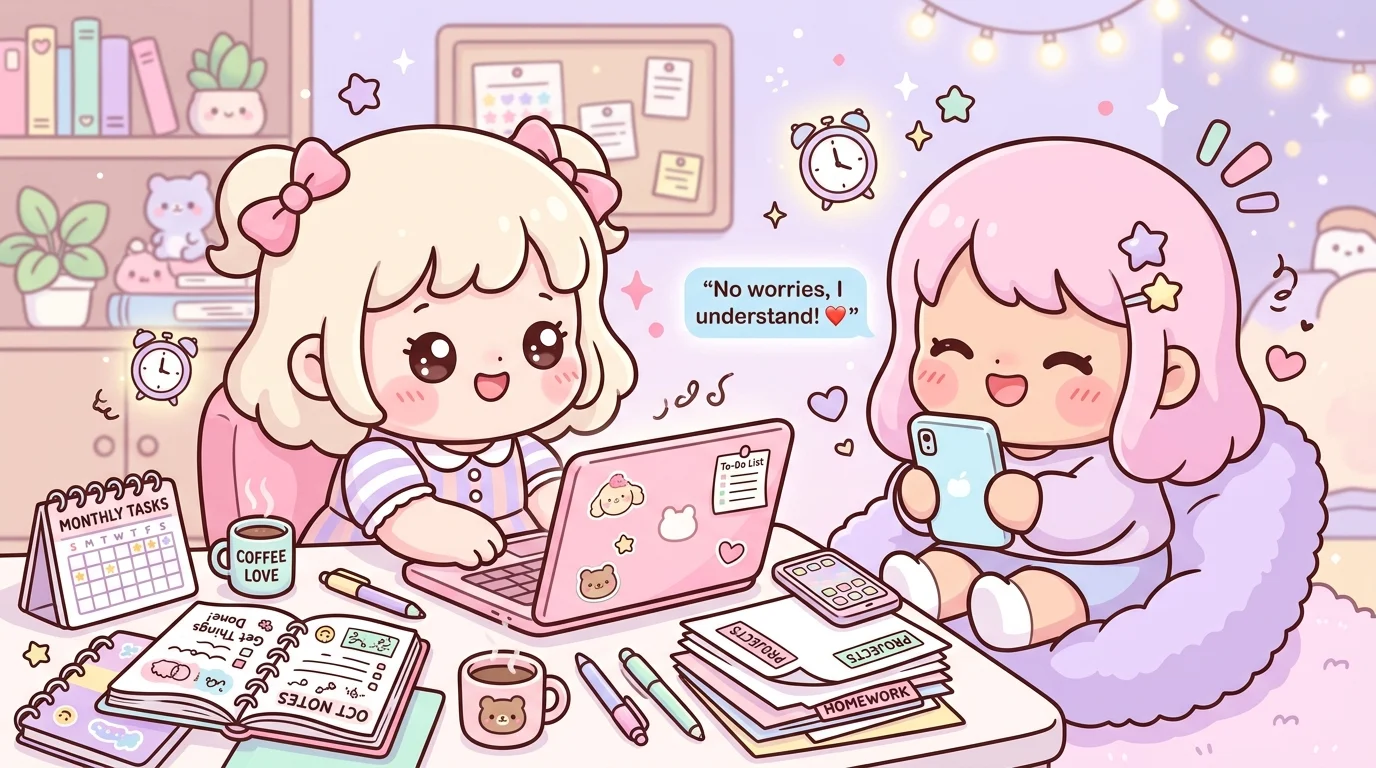
Adorable Kawaii-style illustration of a cute character surrounded by a busy schedule, colorful notebooks, laptop, phone, calendar, coffee cup and stacks of papers, another cute friend sending a supportive text message saying “No worries, I understand,” both characters smiling warmly, tiny clocks, stars, hearts and sparkles floating around them, oversized sparkling eyes, rosy cheeks, chubby rounded characters, tiny hands and feet, soft pastel pink, lavender, baby blue, mint green and cream color palette, Japanese Kawaii aesthetic, cozy productive atmosphere, wholesome friendship mood, playful expressive faces, dreamy soft lighting, high-quality digital illustration, clean composition, charming blog featured image, 16:9 landscape, minimal readable text, no watermark.When someone says “I’ve been busy,” they may simply be explaining why they haven’t replied, called, or made plans lately. Your response can depend on the situation and your relationship with them. You might want to be understanding, funny, caring, flirty, or simply keep the conversation going.
The best replies don’t make the other person feel guilty for being busy. Instead, they acknowledge what they said while giving the conversation a natural direction. Whether you’re replying to a friend, partner, coworker, or someone you’re getting to know, these best responses to “I’ve been busy” give you plenty of options for every kind of conversation.
• “No Worries, I Understand”
Best for: A kind and understanding response.
Alternative: “That’s completely okay.”
Examples:
“No worries, I understand. Things get busy sometimes.”
“That’s okay. I know life can get hectic.”
This is one of the safest responses when you don’t want to pressure the other person.
• “I Figured You Were Busy”
Best for: Casual conversations.
Alternative: “I had a feeling you had a lot going on.”
Examples:
“I figured you were busy, so no worries.”
“I had a feeling you had a lot on your plate.”
It shows that you weren’t sitting around waiting for a reply.
• “I Was Wondering Where You Disappeared To”
Best for: Close friends.
Alternative: “I thought you vanished.”
Examples:
“I was wondering where you disappeared to.”
“I thought you had fallen off the planet.”
This adds a playful touch without being overly serious.
• “Busy Being Important, Huh?”
Best for: Playful teasing.
Alternative: “Look at you being all important.”
Examples:
“Busy being important, huh?”
“Someone’s been very important and productive lately.”
This is perfect for a friend who enjoys sarcastic banter.
• “I Hope Everything Is Going Well”
Best for: A caring response.
Alternative: “I hope you’re doing okay with everything.”
Examples:
“I hope everything is going well despite being so busy.”
“Sounds like you’ve had a lot going on. I hope everything is okay.”
It shows genuine concern without demanding an explanation.
• “No Need to Explain”
Best for: Reassuring someone.
Alternative: “You don’t have to justify being busy.”
Examples:
“No need to explain. I completely understand.”
“You don’t have to explain yourself. Life gets busy.”
This is especially thoughtful if the person seems worried about not responding sooner.
• “Welcome Back to Civilization”
Best for: Funny responses.
Alternative: “Look who finally returned.”
Examples:
“Welcome back to civilization.”
“Look who has finally escaped the busy-life dimension.”
It works well with friends who have been quiet for a while.
• “I Missed You”
Best for: Close relationships.
Alternative: “It’s good to hear from you again.”
Examples:
“I understand, but I definitely missed you.”
“I’m glad you’re back. I missed talking to you.”
This is warm and honest without being demanding.
• “Sounds Like You’ve Had a Lot Going On”
Best for: Empathetic conversations.
Alternative: “It sounds like you’ve been juggling a lot.”
Examples:
“Sounds like you’ve had a lot going on lately.”
“You must have had a lot on your plate.”
This acknowledges their situation and gives them room to share more if they want.
• “Busy Is an Understatement”
Best for: Someone who has clearly had a hectic schedule.
Alternative: “Sounds like you’ve been nonstop.”
Examples:
“Busy is definitely an understatement.”
“Sounds like you’ve been running on full speed.”
It’s a natural way to show that you recognize their workload.
• “I Was Starting to Think You Forgot Me”
Best for: Playful teasing with someone close.
Alternative: “I thought I got lost in your notifications.”
Examples:
“I was starting to think you forgot me.”
“I thought I had officially disappeared from your inbox.”
Use this when you know the other person will understand you’re joking.
• “At Least You’re Getting Things Done”
Best for: Positive conversations.
Alternative: “Sounds like you’ve been productive.”
Examples:
“At least you’ve been getting things done.”
“Sounds like you’ve been keeping yourself busy and productive.”
It puts a positive spin on their explanation.
• “Take Your Time”
Best for: Supportive relationships.
Alternative: “No rush. Reply when you can.”
Examples:
“Take your time. There’s no rush.”
“No worries. Get everything sorted and message me when you have time.”
This communicates patience and respect.
• “I’ll Let You Get Back to It”
Best for: Someone who is currently busy.
Alternative: “I won’t keep you.”
Examples:
“I’ll let you get back to it. Talk later.”
“I won’t keep you. Hope the rest of your day goes smoothly.”
This is considerate when you don’t want to interrupt their schedule.
• “What’s Keeping You So Busy?”
Best for: Keeping the conversation going.
Alternative: “What have you been up to?”
Examples:
“What’s been keeping you so busy?”
“What have you been caught up with lately?”
It’s a natural follow-up if you’re genuinely curious.
• “I Hope You’re Finding Time to Rest”
Best for: A caring message.
Alternative: “Don’t forget to take care of yourself.”
Examples:
“I hope you’re still finding time to rest.”
“Don’t let being busy stop you from taking care of yourself.”
This shows concern beyond simply getting a reply.
• “Busy Season?”
Best for: Work or school conversations.
Alternative: “Is this a particularly hectic time for you?”
Examples:
“Busy season at work?”
“Is school keeping you extra busy lately?”
It’s short and gives them an easy way to explain.
• “I’m Glad You’re Okay”
Best for: When you’ve been concerned.
Alternative: “I’m just glad to hear from you.”
Examples:
“I was a little worried, so I’m glad you’re okay.”
“I’m glad you’re doing alright. That’s what matters.”
This works especially well when their silence was unusual.
• “You Owe Me a Catch-Up”
Best for: Friends.
Alternative: “We definitely need to catch up soon.”
Examples:
“You owe me a proper catch-up.”
“Once life calms down, we’re definitely catching up.”
It creates a future plan without putting immediate pressure on them.
• “I’ll Take That as Your Excuse”
Best for: Light teasing.
Alternative: “Excuse accepted.”
Examples:
“I’ll take that as your official excuse.”
“Alright, excuse accepted this time.”
This is best used with someone who knows you’re joking.
• “Busy, But Still Alive?”
Best for: Funny messages to close friends.
Alternative: “So you’re alive after all.”
Examples:
“Busy, but still alive? Good to know.”
“Glad to confirm you’re still among the living.”
It’s playful and dramatic without being too serious.
• “Your Calendar Must Be Fighting You”
Best for: Someone with an overloaded schedule.
Alternative: “Your schedule sounds brutal.”
Examples:
“Your calendar must be fighting you.”
“At this point, your calendar needs its own calendar.”
This adds humor to a conversation about a packed schedule.
• “I’ll Forgive You This Time”
Best for: Close friends and playful relationships.
Alternative: “Fine, you’re forgiven.”
Examples:
“I’ll forgive you this time.”
“Okay, you’re forgiven. But only because you were busy.”
It keeps things light rather than making their absence into a serious issue.
• “You’ve Been Living in Fast-Forward”
Best for: Funny and creative responses.
Alternative: “Sounds like life has been moving at full speed.”
Examples:
“You’ve been living in fast-forward lately.”
“Sounds like your life has been stuck on fast-forward.”
It’s a more creative alternative to simply saying “I understand.”
• “That’s Life Sometimes”
Best for: Calm and mature responses.
Alternative: “Life gets hectic sometimes.”
Examples:
“That’s life sometimes. No worries.”
“Life gets hectic. Don’t stress about it.”
This is a relaxed way to show that you’re not taking their absence personally.
• “No Pressure From Me”
Best for: Supportive conversations.
Alternative: “Reply whenever you have the time.”
Examples:
“No pressure from me. Take care of what you need to.”
“No rush at all. Message me whenever you’re free.”
This is especially useful if you want to make them feel comfortable.
• “I Was About to Send a Search Party”
Best for: Funny friend-to-friend banter.
Alternative: “I almost filed a missing-person report.”
Examples:
“I was about to send a search party.”
“I almost started putting up missing-person posters.”
The exaggerated reaction makes this a classic playful comeback.
• “At Least You’re Making Excuses That Sound Productive”
Best for: Sarcastic friends.
Alternative: “That’s a very productive excuse.”
Examples:
“At least your excuse sounds productive.”
“Busy and productive? I’ll allow it.”
This is best when you already have a teasing relationship.
• “I Understand. Just Don’t Forget About Me”
Best for: Sweet and slightly emotional conversations.
Alternative: “I know you’re busy, but don’t disappear completely.”
Examples:
“I understand you’re busy. Just don’t forget about me.”
“I know life gets hectic, but I still like hearing from you.”
This balances understanding with honesty.
• “When Things Calm Down, Let’s Catch Up”
Best for: Friends and acquaintances.
Alternative: “Let’s talk when you have some free time.”
Examples:
“When things calm down, let’s catch up properly.”
“Whenever you get some free time, let’s have a proper conversation.”
It keeps the door open without demanding immediate attention.
• “Busy Looks Good on You”
Best for: Playful or flirty conversations.
Alternative: “Look at you being productive.”
Examples:
“Busy looks good on you, apparently.”
“Look at you being all productive and impressive.”
This adds a little charm to the conversation.
• “I’ll Try Not to Take It Personally”
Best for: Playful teasing.
Alternative: “I guess I can share your attention with your schedule.”
Examples:
“I’ll try not to take it personally.”
“I suppose I have to compete with your schedule now.”
This works best when the relationship already has a playful tone.
• “Just Don’t Work Yourself Into the Ground”
Best for: Caring relationships.
Alternative: “Remember to slow down sometimes.”
Examples:
“Just don’t work yourself into the ground.”
“Keep getting things done, but remember to give yourself a break.”
It shows that you care about their well-being rather than just their availability.
• “Sounds Like You Need a Vacation”
Best for: Someone who has been extremely busy.
Alternative: “You seriously need some time off.”
Examples:
“Sounds like you need a vacation after all that.”
“Your schedule is basically begging for a day off.”
This can turn the conversation toward relaxation and plans.
• “Okay, Busy Bee”
Best for: Cute and playful conversations.
Alternative: “Alright, little busy bee.”
Examples:
“Okay, busy bee. I’ll let you work.”
“Alright, busy bee. Go conquer that schedule.”
It’s playful without sounding overly serious.
• “Glad You Made It Through”
Best for: Someone who has had an exhausting period.
Alternative: “Sounds like you’ve had quite a week.”
Examples:
“Glad you made it through all that.”
“Sounds like you’ve had a wild few days. Glad you’re doing okay.”
This combines empathy with encouragement.
Frequently Asked Questions
What is a good response to “I’ve been busy”?
A simple and understanding response is “No worries, I understand. Life gets busy sometimes.” If you want to keep the conversation going, ask “What’s been keeping you so busy?”
How do I respond to “I’ve been busy” without sounding needy?
Keep your response relaxed and avoid making them feel guilty. Try “No pressure, reply whenever you have time” or “I figured you had a lot going on.”
What is a funny response to “I’ve been busy”?
You could say “Welcome back to civilization,” “I was about to send a search party,” or “Busy being important, huh?” These work best with friends or people who appreciate playful teasing.
What should I say if someone I like says “I’ve been busy”?
If you want to be warm without putting pressure on them, try “I understand. I’m glad to hear from you” or “I know you’ve been busy. When things calm down, let’s catch up.”
Should I be upset when someone says they’ve been busy?
Being busy can genuinely make it difficult for someone to respond. Instead of immediately assuming they don’t care, consider the overall pattern of their communication and whether they make an effort when they have time.
Conclusion
The best responses to “I’ve been busy” depend on the tone you want to create. If you want to be understanding, say “No worries, I understand.” If you’re talking to a close friend, something playful like “I was about to send a search party” can make them laugh.
The key is to acknowledge their situation without making them feel guilty for having a busy life. A supportive response can keep the conversation comfortable, while a thoughtful follow-up can give them an opportunity to share what’s been happening.
Whether you’re looking for a funny comeback, a sweet response, or a casual reply, choose something that sounds natural for your relationship. Sometimes a little patience and understanding can make a much better impression than a perfect comeback.

I’m Travis James, a passionate writer who loves creating helpful replies for every situation. I share simple, thoughtful, and engaging response ideas to help people communicate confidently.