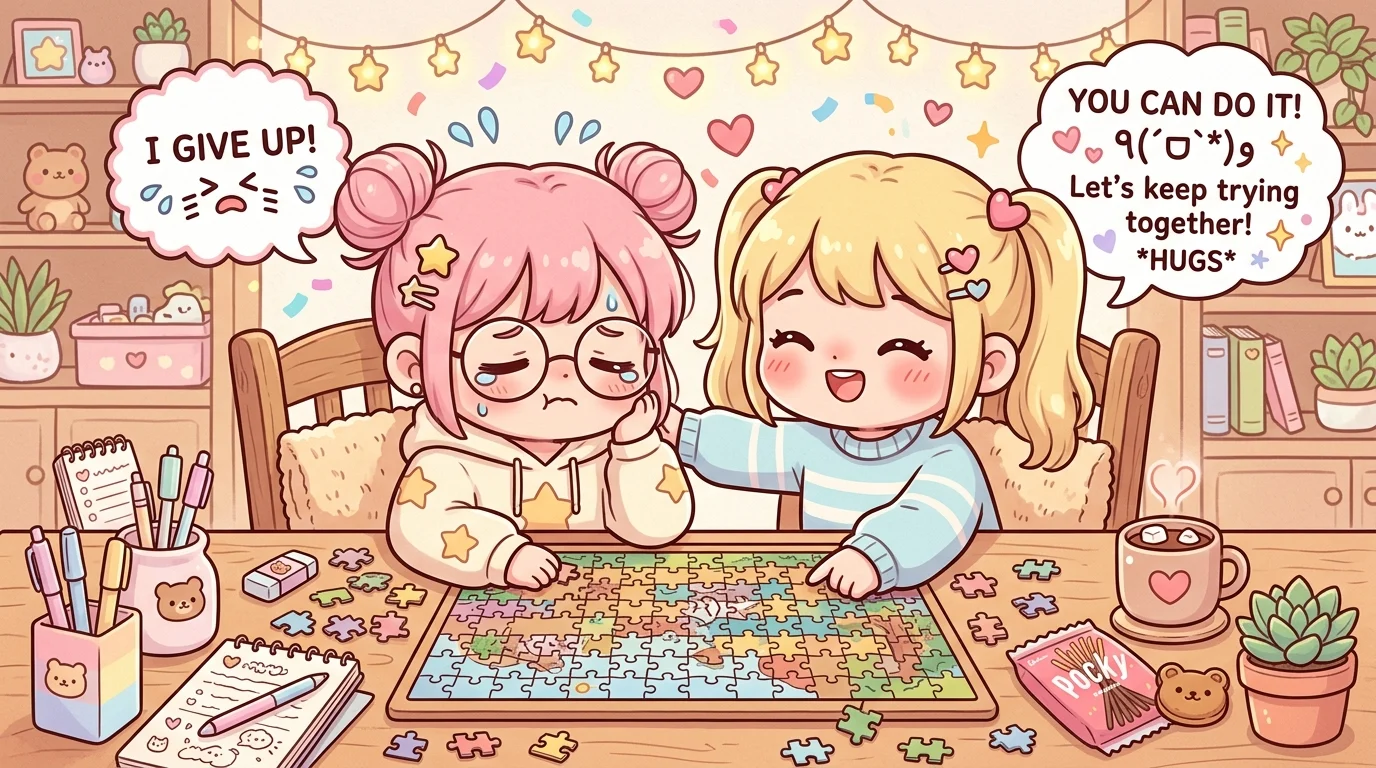
When someone says “I give up,” they may be frustrated, tired, overwhelmed, or simply joking around. The best response depends on the situation and your relationship with the person. Sometimes they need encouragement, while other times a little humor can help lighten the mood.
Whether someone is struggling with work, studying, relationships, a difficult task, or a frustrating situation, the right words can make a difference. Here are thoughtful, funny, supportive, and clever responses to “I give up” that you can use in texts and everyday conversations.
You’re Not Giving Up Yet
This is a supportive way to encourage someone to keep going.
Best for: Friends, family, and someone facing a challenge.
Alternative: Not so fast. You still have this.
Examples:
- You’re not giving up yet. Take a breath and try again.
- Nope, I’m not accepting that answer. You’ve got this.
Take a Break, Then Try Again
Sometimes the person simply needs some rest.
Best for: Someone who is tired or frustrated.
Alternative: Rest first, then come back to it.
Examples:
- Take a break. You can try again when you feel better.
- Step away for a while and give yourself some time.
I Believe in You
A simple message of confidence can be very encouraging.
Best for: Close friends and loved ones.
Alternative: I know you can handle this.
Examples:
- I believe in you, even when you don’t believe in yourself.
- You’ve got this. I believe in you.
You’ve Come Too Far to Quit Now
This response reminds someone of their progress.
Best for: Long-term goals and difficult projects.
Alternative: Look how far you’ve already come.
Examples:
- You’ve come too far to quit now. Keep pushing.
- Remember everything you’ve already accomplished.
What Happened?
Before giving advice, sometimes it is better to understand the situation.
Best for: Friends and serious conversations.
Alternative: Tell me what went wrong.
Examples:
- What happened? Talk to me.
- What made you feel like giving up?
Want to Talk About It?
This lets the person know you are available to listen.
Best for: Someone who seems genuinely upset.
Alternative: I’m here if you want to talk.
Examples:
- Want to talk about what’s bothering you?
- You don’t have to deal with it alone. I’m listening.
Don’t Give Up on Yourself
This is a heartfelt and encouraging response.
Best for: Someone facing a meaningful personal struggle.
Alternative: Don’t stop believing in yourself.
Examples:
- Don’t give up on yourself just because today is difficult.
- You deserve to give yourself another chance.
One Step at a Time
This reminds someone that they do not have to solve everything at once.
Best for: Overwhelming situations.
Alternative: Focus on the next small step.
Examples:
- You don’t have to figure everything out today. One step at a time.
- Just handle one thing at a time. You’ll get there.
You Can Try Again Tomorrow
A gentle response that takes the pressure off.
Best for: Someone who is exhausted.
Alternative: It’s okay to pause and continue later.
Examples:
- You can try again tomorrow. Tonight, get some rest.
- Sometimes stopping for today is exactly what you need.
I’m Not Letting You Quit That Easily
This can be playful while still being encouraging.
Best for: Close friends.
Alternative: I’m not accepting defeat yet.
Examples:
- I’m not letting you quit that easily.
- Nice try, but I’m officially your motivation department.
We’ll Figure It Out Together
This shows that they have support.
Best for: Friends, partners, family, or teammates.
Alternative: You don’t have to figure this out alone.
Examples:
- We’ll figure it out together. Don’t worry.
- Let’s tackle it together and see what we can change.
Maybe the Problem Needs a Different Approach
Sometimes giving up happens because the current strategy is not working.
Best for: Work, studying, puzzles, and projects.
Alternative: Maybe we just need to try something different.
Examples:
- Don’t give up yet. Maybe we need a new approach.
- The method isn’t working, not you. Let’s try something else.
You’re Allowed to Be Frustrated
This validates the person’s feelings without encouraging them to quit.
Best for: Emotional or stressful situations.
Alternative: It’s okay to feel frustrated.
Examples:
- You’re allowed to be frustrated. Just don’t let the frustration decide for you.
- I understand why you’re frustrated. Give yourself some time.
You Can Quit for Today
A compassionate response when someone genuinely needs rest.
Best for: Someone who has been trying for a long time.
Alternative: You can pause without giving up completely.
Examples:
- You can quit for today. Tomorrow is another chance.
- Take the evening off. Rest is not failure.
I’ve Got Your Back
Short and reassuring.
Best for: Friends, partners, and teammates.
Alternative: I’m right here with you.
Examples:
- Don’t worry, I’ve got your back.
- Whatever happens, I’m here for you.
Let’s Solve This Together
This shifts the focus from failure to teamwork.
Best for: Difficult tasks and problems.
Alternative: Let’s work through it together.
Examples:
- Before you give up, let me help you.
- Let’s solve this together. There has to be a way.
You Might Just Need a Little Rest
This is caring without being overly serious.
Best for: Someone who has been working too hard.
Alternative: Maybe you’re exhausted, not defeated.
Examples:
- You might just need some rest before deciding anything.
- Maybe you’re tired rather than ready to give up.
Failure Isn’t the End
This offers perspective after something goes wrong.
Best for: Personal goals and setbacks.
Alternative: One setback doesn’t define you.
Examples:
- Failure isn’t the end. It’s just part of figuring things out.
- One bad result doesn’t mean you can’t succeed.
Give It One More Shot
A short motivational response.
Best for: Casual situations and friendly encouragement.
Alternative: Just one more try.
Examples:
- Give it one more shot. You might surprise yourself.
- Come on, one more attempt before we call it quits.
I Know It’s Hard Right Now
This acknowledges the person’s struggle.
Best for: Serious and supportive conversations.
Alternative: I know you’re having a tough time.
Examples:
- I know it’s hard right now, but you don’t have to face it alone.
- I know you’re tired. Let’s take it slowly.
You Don’t Have to Be Strong All the Time
A caring response for someone who feels overwhelmed.
Best for: Close friends and loved ones.
Alternative: It’s okay to have difficult days.
Examples:
- You don’t have to be strong every second. Take a break.
- It’s okay to admit that you’re struggling.
What If We Start Over?
Starting fresh can make a difficult task feel manageable.
Best for: Projects, studying, work, or disagreements.
Alternative: Let’s reset and try again.
Examples:
- What if we start over and approach it differently?
- Let’s forget the last attempt and begin again.
I’m Proud of You for Trying
This focuses on effort rather than the outcome.
Best for: Friends, family, and encouraging conversations.
Alternative: Your effort still matters.
Examples:
- I’m proud of you for trying, even if it didn’t work out.
- You gave it your best, and that counts for something.
Funny Responses to I Give Up
If the person is joking or the situation is lighthearted, humor can work perfectly.
Best for: Close friends and casual conversations.
Alternative: Congratulations, you’ve officially resigned from the struggle.
Examples:
- I give up too, but unfortunately nobody approved my resignation.
- Fine, but I’ll be expecting your dramatic comeback tomorrow.
Fine, I’ll Do It for You
A playful response when someone is giving up on a simple task.
Best for: Friends and playful conversations.
Alternative: Move over, professional problem-solver coming through.
Examples:
- Fine, I’ll do it. Try not to look too impressed.
- Hand it over. Clearly, I’m the hero today.
Giving Up Already?
A teasing response that encourages another attempt.
Best for: Friendly teasing.
Alternative: That didn’t take long.
Examples:
- Giving up already? We just got started.
- Already surrendering? That’s a little dramatic.
The Drama Is Strong With You
A humorous response to exaggerated frustration.
Best for: Close friends who enjoy sarcasm.
Alternative: Someone call the tiny violin department.
Examples:
- The drama is strong with you today.
- Should I order a tiny violin for this moment?
I’ll Accept Your Surrender
A playful response that treats the situation like a competition.
Best for: Games, debates, and friendly challenges.
Alternative: Surrender accepted.
Examples:
- I accept your surrender. Victory tastes wonderful.
- Your surrender has been officially recorded.
Don’t Make Me Bring Out the Motivational Speech
This is funny and supportive at the same time.
Best for: Friends and casual conversations.
Alternative: Don’t make me start giving inspirational quotes.
Examples:
- Don’t make me bring out the motivational speech.
- Keep going before I start quoting every inspirational poster ever made.
Short Responses to I Give Up
Sometimes a short response says everything you need.
Best for: Text messages and quick conversations.
Alternative: Keep going. You’ve got this.
Examples:
- Don’t quit.
- Not yet. Keep going.
Sweet Responses to I Give Up
A gentle response can provide comfort and reassurance.
Best for: Partners, family, and close friends.
Alternative: You don’t have to handle everything alone.
Examples:
- It’s okay, sweetheart. Take a breath and we’ll figure it out.
- I’m here for you. You don’t have to face this alone.
Motivational Responses to I Give Up
Motivational words can help someone regain confidence.
Best for: Goals, challenges, studying, work, and personal growth.
Alternative: Keep going. Your progress matters.
Examples:
- The fact that you’re struggling doesn’t mean you’re failing.
- Keep going. Sometimes the hardest part comes right before things improve.
Caring Responses to I Give Up
When someone sounds emotionally exhausted, focus on compassion rather than pressure.
Best for: Serious conversations.
Alternative: Take care of yourself first.
Examples:
- I’m sorry you’re feeling this overwhelmed. I’m here to listen.
- You don’t have to solve everything right now. Take care of yourself first.
FAQs About Responses to “I Give Up”
What is a good response to “I give up”?
A supportive response is, “Don’t give up yet. Take a break and let’s figure it out together.” It encourages the person without dismissing their frustration.
What is a funny response to “I give up”?
You could say, “Giving up already? We just got started!” or “Fine, but your resignation has been denied.”
How do I respond when someone is seriously saying they give up?
First, listen and find out what they mean. You can say, “What happened?” or “I’m here if you want to talk.” If they seem overwhelmed, focus on support rather than simply telling them to keep going.
What can I say to encourage someone who wants to quit?
Try, “You’ve come this far, so take a break and try again when you’re ready.” Reminding someone of their progress can be more helpful than putting pressure on them.
Is “Don’t give up” a good response?
Yes, but it can be more meaningful when paired with empathy. For example, “I know this is hard, but don’t give up on yourself. Take a break and we’ll work through it.”
Conclusion
The best response to “I give up” depends on why the person said it. If they are frustrated, encouragement and practical support may help. If they are joking, a funny comeback can keep the conversation light. And if they are genuinely overwhelmed, listening and showing that you care may be more important than telling them to keep pushing.
Whether you choose a motivational, caring, funny, sweet, or simple response, aim to match the person’s mood. Sometimes a few thoughtful words are enough to remind someone that they are not facing the situation alone.

I’m Travis James, a passionate writer who loves creating helpful replies for every situation. I share simple, thoughtful, and engaging response ideas to help people communicate confidently.